
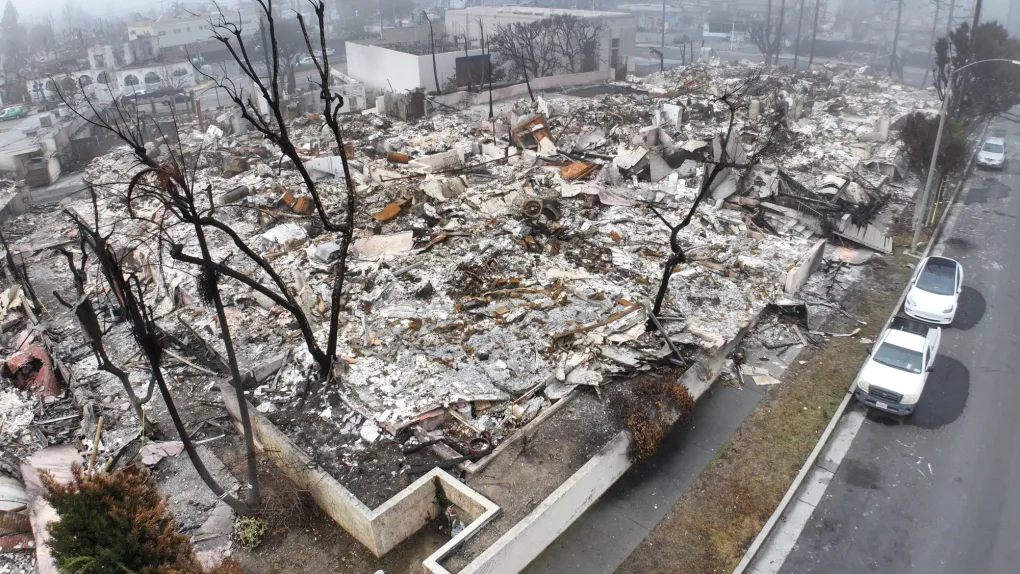
Introduction:
The swift issuance of permits in the wake of the Palisades Fire signals a crucial turning point: the rebuilding phase is now actively underway. Our team at A List Development inc. is prepared to contribute to this vital effort, providing comprehensive construction services to help homeowners reconstruct their lives and properties.
A Testament to Community and Efficiency:
The statistics highlighted by CCN paint a picture of remarkable efficiency. Over 360 properties have already seen complete debris clearance and received the final sign-off required before rebuilding permits can be issued. The debris removal process itself commenced just 35 days post-fire, significantly faster than the Woolsey Fire’s timeline. Furthermore, the swift completion of Phase 1 hazardous materials clearing in a record-breaking 28 days underscores the urgency and effectiveness of the response. The restoration of utilities to standing homes within two months also stands as a testament to the coordinated efforts, especially when compared to the 18-month delay in safe water restoration after the Camp Fire.
Mayor Bass’s invocation of emergency executive authority appears to be a key driver behind this accelerated pace. By fast-tracking recovery and rebuilding while also implementing measures to protect against future wildfires (like concrete barriers and sandbags), the city is demonstrating a proactive and comprehensive approach. The establishment of Disaster Recovery Centers, One-Stop Rebuilding Centers, and Impacted Worker and Family Recovery Centers further illustrates the commitment to supporting the affected individuals and families.
The Looming Shadow of Tariffs on a Swift Recovery:
While the speed and efficiency of the Palisades rebuild are undeniably positive, the specter of rising construction costs due to recently enacted tariffs, as reported by iHeartRadio and the Los Angeles Times, casts a potential shadow on this progress. As builders in Southern California grapple with uncertainty over the cost of imported materials like windows, doors, and plumbing fixtures (some facing duties as high as 145% on Chinese imports), the initial momentum of the rebuild could face financial headwinds.
Contractors like Cory Singer have already noted the need to pad budgets by 5% to 10% to account for “market volatility,” and these increased costs will inevitably impact homeowners striving to rebuild. While the CCN article focuses on the speed of permits and debris removal, the actual construction phase will heavily rely on these materials, the prices of which are subject to the tariff uncertainties. The potential for higher overall rebuilding costs could strain the financial resources of homeowners, even with the support and tax relief measures put in place by the city.
Navigating a Dual Challenge:
The Palisades rebuild presents a unique case study: a community demonstrating remarkable speed and resilience in the face of disaster, now potentially confronting the external economic pressures of tariffs. The efficiency in the initial phases must be matched by careful financial planning and resource management to ensure that the rising costs of materials do not impede the completion of these vital rebuilding projects. As the community moves forward, the ability to navigate this dual challenge – the urgency of rebuilding and the increasing cost of materials – will be crucial in sustaining this impressive pace of recovery.
Source: Palisades rebuilding at record pace three months after fire – California Construction News


